
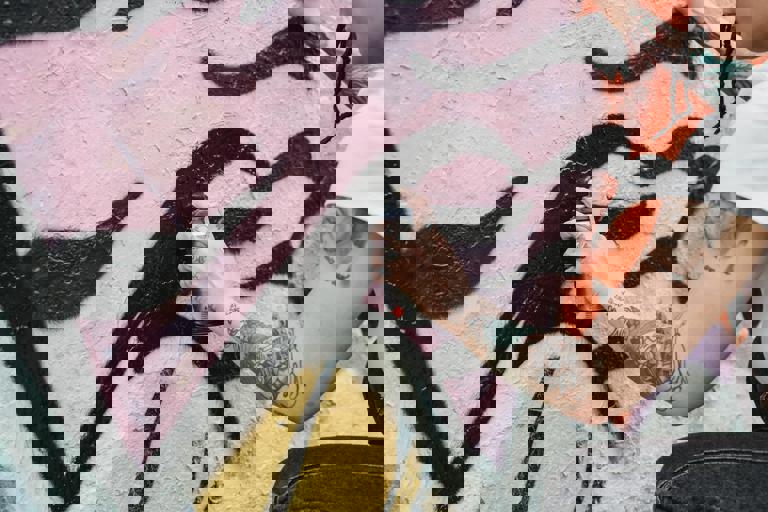
Laneways, once unremarkable corridors tucked behind urban developments, are rapidly transforming into vivid canvases that captivate the public. Artists, both local and international, have chosen these spaces for their latest projects, resulting in a vibrant display of street art that is attracting attention citywide. This movement is not only altering the physical landscape but is also invigorating the communities in which these artworks reside.
Historically, laneways have served utilitarian purposes, often associated with deliveries or as shortcuts for pedestrians. However, this perception is changing as colorful murals bring newfound attention to these neglected areas. Many councils have supported these initiatives, recognizing the potential of street art to turn forgotten spaces into cultural hotspots and drivers of economic activity.
Renowned street artist Jasmine Lee shared her perspective on the evolving scene: 'Painting in laneways gives our work a sense of intimacy and discovery,' she explains. 'Viewers stumble upon the murals, which makes the experience more personal and memorable.' Lee’s sentiments underscore a shift towards art that is embedded organically within the urban environment, fostering surprise and delight.
These outdoor galleries are not only drawing art enthusiasts but are increasingly attracting curious locals and tourists alike. Galleries, traditionally confined indoors, now spill onto city streets, encouraging a broader demographic to engage with contemporary art. According to the Australia Council for the Arts, outdoor community art projects have seen a 30% increase in public engagement over the past five years.
Local businesses located near these transformed laneways are reaping the benefits. Cafes and boutiques often see increased foot traffic, as people venture into areas previously overlooked. Business owner Mark O’Connor, whose bakery borders a renowned mural alleyway, notes, 'Ever since the murals popped up, we’ve seen a steady rise in customers who come for the art and stay for a coffee.'
Beyond aesthetics and commerce, these public artworks often serve as a canvas for storytelling. Murals frequently depict themes relevant to the local community, celebrating cultural diversity, heritage, or social causes. One recent mural commemorated frontline healthcare workers, using bold colors and symbolic imagery to express gratitude and unity in the wake of challenging times.
The process of creating these murals is often highly collaborative. Artists work in close consultation with residents, business owners, and local authorities to ensure the artwork resonates with the community. These partnerships foster a sense of ownership and pride among locals, who see their streets reflected in the mural’s narrative or themes.
Street art’s ephemeral nature adds to its allure. Unlike works inside museums, murals are subject to weather, fading, or even replacement by new artists, creating a dynamic, ever-changing outdoor gallery. This impermanence generates anticipation for what might appear next, encouraging repeat visits and fostering a culture of ongoing artistic engagement.
Accessibility remains one of the driving forces behind the outdoor mural movement. Unlike traditional galleries that may intimidate or exclude certain audiences, laneway murals are free and open to all. This democratization of art helps bridge social divides and ensures creative expression is accessible to people from all walks of life, including those who may not typically seek out art experiences.
Technology is playing an increasing role in the spread and appreciation of laneway art. Many visitors document their discoveries on social media, sharing photos and locations, which in turn attracts even wider audiences. Some cities have even launched interactive maps or mobile apps that guide users on self-directed walking tours of street art hotspots, further integrating murals into the fabric of daily urban life.
From an urban development perspective, the rejuvenation of laneways through art contributes to safer, more vibrant neighborhoods. Beautified spaces are less likely to attract vandalism or become neglected, according to the Australian Urban Design Research Centre. These projects can also spark conversations about public space usage, ecological awareness, and sustainable city planning, elevating art as a tool for positive change.
Critics, however, warn of the fine line between public art and gentrification. As laneways gain popularity, property values may rise, potentially pushing out long-term residents or independent businesses. Nevertheless, many artists stress the importance of inclusive projects that prioritize local voices and histories, ensuring that art remains a community asset rather than a catalyst for displacement.
As the movement continues to gain traction, the laneways’ transformation into vibrant outdoor galleries represents a fusion of creativity, community, and urban renewal. With murals serving as both aesthetic enhancements and storytellers, hidden alleys are now celebrated urban destinations. These bold works of street art promise to leave a lasting imprint, inviting all to explore the evolving culture painted across the city’s walls.